

Cybersecurity is one of the most pressing concerns for businesses operating in today’s digital environment. Every connected device, application, and user account represents a potential entry point for attackers. Understanding where those entry points exist — and addressing them before they can be exploited — is the foundation of effective security management.
This blog explains how the right scanning technology, combined with expert guidance, helps organisations build a more resilient security posture.
What Security Vulnerability Scanning Tools Do
Security vulnerability scanning tools are software solutions that automatically examine IT infrastructure — networks, servers, endpoints, applications, and cloud environments — for known weaknesses. They compare the current state of your systems against a database of known vulnerabilities, generating reports that detail what was found and how severe each finding is.
The primary advantage of security vulnerability scanning tools is their ability to cover a large and complex environment quickly and consistently. Manual reviews cannot match the speed or breadth of an automated scan, making these tools an essential part of any modern security programme.
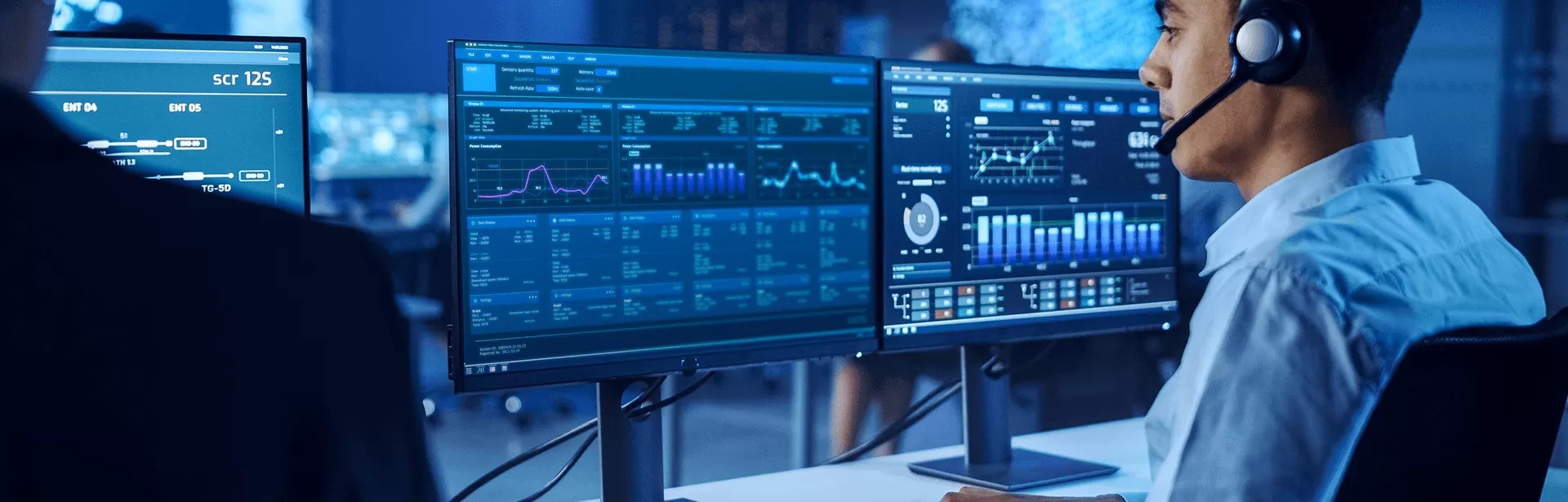
security vulnerability scanning tools
Understanding What Scans Reveal
Categories of Vulnerabilities
Scans typically uncover a range of issues including missing software patches, outdated operating systems, weak authentication configurations, unnecessary open network ports, and default credentials left unchanged on devices. Each finding is assigned a severity rating — from critical through to low — helping organisations prioritise their remediation efforts.
Internal vs External Scanning
Both internal and external scans serve distinct purposes. External scans examine your organisation from the perspective of an outside attacker, testing what is visible and accessible from the internet. Internal scans assess the risk posed by threats already inside the network — including compromised devices, rogue software, and lateral movement risks. A comprehensive security programme uses security vulnerability scanning tools to conduct both.
The Role of IT Security Consulting
Translating Findings Into Action
Scan reports can be complex and technical. Without expert interpretation, many organisations struggle to understand which findings represent genuine risk and in what order they should be addressed. It security consulting bridges this gap — providing the expertise to interpret scan results, contextualise findings within your specific business environment, and develop a practical remediation plan.
It security consulting also ensures that remediation is carried out correctly. Closing a vulnerability incorrectly can introduce new risks or break legitimate business functions. A skilled consultant understands these nuances and guides the remediation process to deliver genuine security improvements.
Building a Security Roadmap
Beyond reacting to individual scan findings, IT security consulting helps organisations build a longer-term security strategy. This includes identifying capability gaps, advising on appropriate tools and controls, and helping leadership understand the business risk associated with different security investment decisions.
Making Scanning a Continuous Practice
A single vulnerability scan provides a point-in-time snapshot. New vulnerabilities are discovered daily, and system changes can introduce new risks at any point. For meaningful protection, scanning must be an ongoing activity — integrated into regular IT operations rather than treated as a periodic exercise.

it security
Conclusion
Identifying and addressing security weaknesses before they can be exploited is one of the most impactful investments a business can make. The combination of the right tools and expert guidance transforms security from a reactive burden into a proactive capability.
Renaissance Computer Services Limited offers expert security scanning and consulting services to help businesses of all sizes achieve a stronger, more resilient security posture.